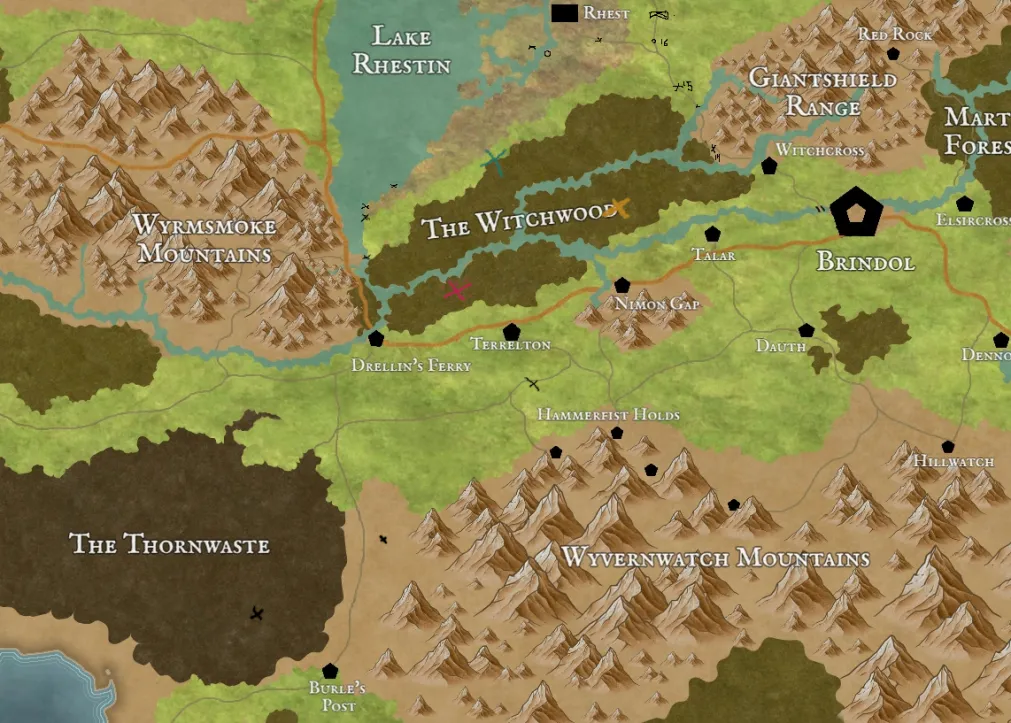
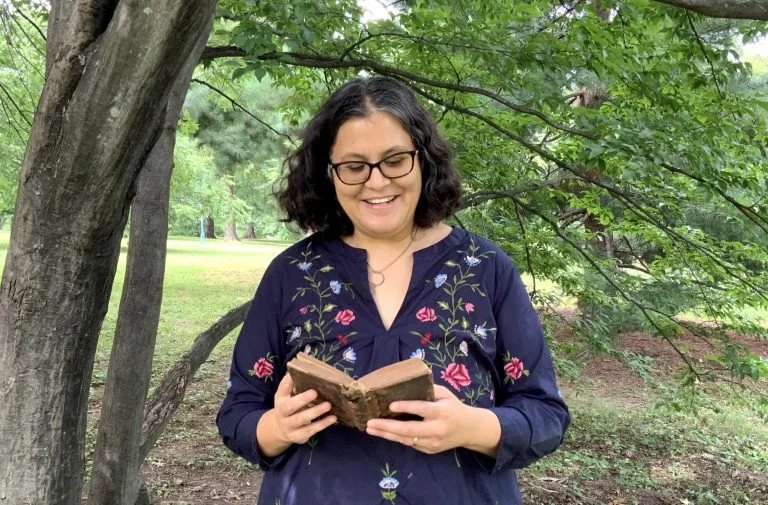
In my excitement about the "What My Games Look Like" post trend (see the first here and mine here), I told the other GMs in a Discord server I'm on that I'd host their posts on this topic if they cared to write one up and didn't have a blog of their own. One such GM, Luke, has taken me up on it;...
Today, I’m excited to feature a guest post from Dr Katie Russell, another No10 Innovation Fellow. You can find more information about Katie and her work over at her LinkedIn page. OCR has been possible since the 1910s. Generative AI brings that capability - and much more - to a chat-like interface...
* Alison Laurence is a cultural historian who writes about extinct animals, museum display, deep time, and de-extinction. She is an adjunct lecturer at the University of California, Santa Cruz, and an editor for Contingent Magazine (a non-profit publication whose writers are non-tenured/TT...
This is an old post, from 2016, written by Helen De Cruz. Helen was a truly awesome and creative philosopher, and (I’ve heard) an outstandingly good person. They passed away today, and if you want to learn more about their work, I’d recommend reading the short notice in the Daily Nous (which you...
* Franziska Reinhard is a Postdoctoral Researcher at the Humboldt Centre for Philosophy and the Humanities at Ulm University. She recently completed a PhD in philosophy at the University of Vienna, with a thesis titled “Knowledge-Making in Origins of Life Research,” which combined aspects of...
Can short animations be used for effective science communication, asks guest-blogger Queen Alike, Public Health Specialist at the National Institutes of Health National Library of Medicine (NLM).
The post Using animations in science communication appeared first on 2020 SCIENCE ARCHIVE.