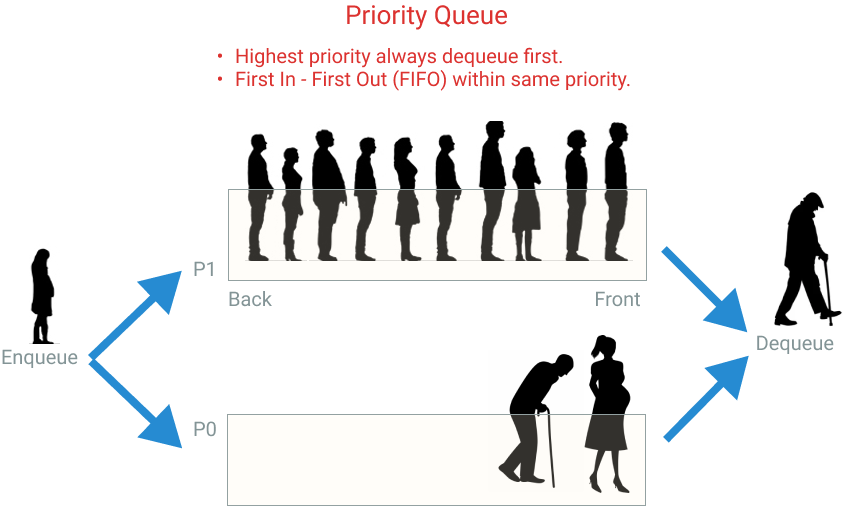
A priority queue is a versatile data structure that is good to have under your algorithmic toolbelt. In this post, we discuss, what it is, real-world applications, and we explore two different implementations, the latter one being more robust. What’s a Priority Queue (PQ)?A priority queue is a...
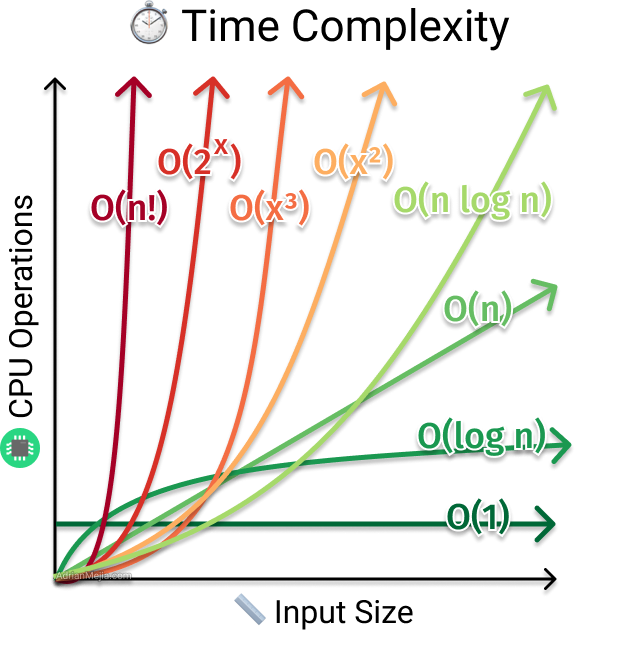
Finding out the time complexity of your code can help you develop better programs that run faster. Some functions are easy to analyze, but when you have loops, and recursion might get a little trickier when you have recursion. After reading this post, you are able to derive the time complexity of...
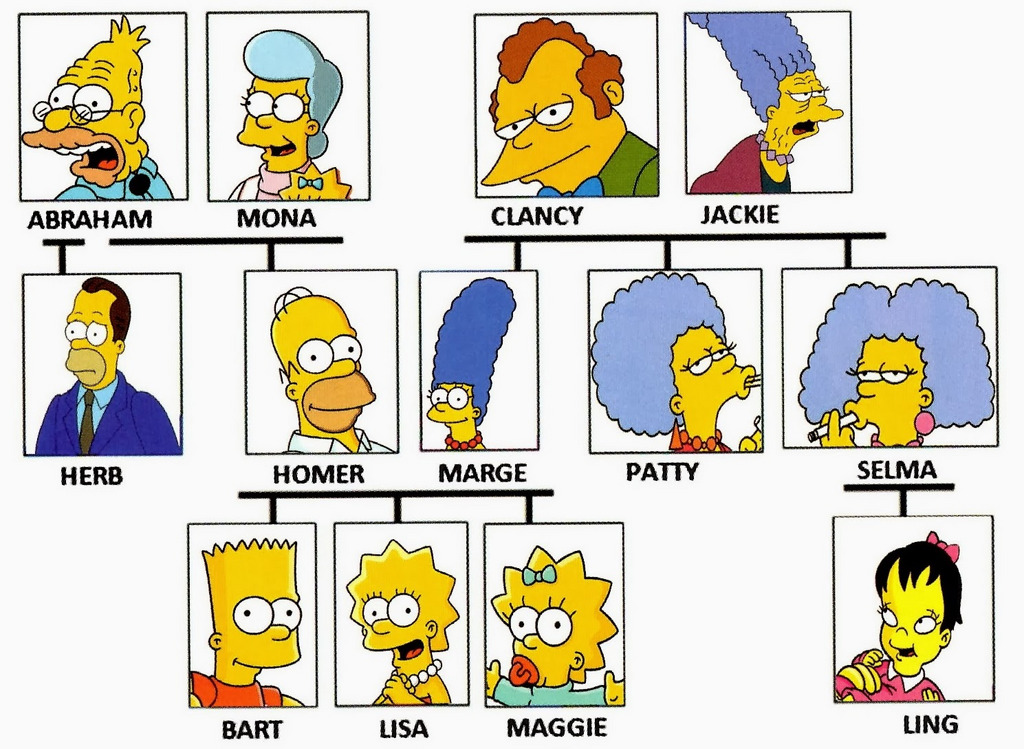
Graphs are one of my favorite data structures because you can model many real-life situations with them. Such problems involve finding the shortest paths between 2 or more locations, scheduling courses, finding relationships in family trees, solving mazes, and many more! As a result, it’s...
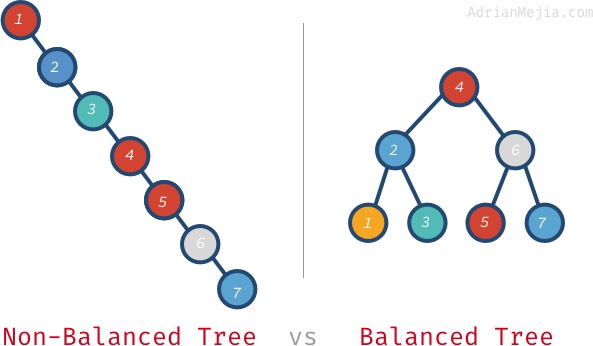
Binary Search Trees (BST) is used for many things that we might not be aware of. For instance: in compilers to generate syntax trees, cryptography and in compressions algorithms used in JPG and MP3. However, search trees need to be balanced to be fast. So, we are going to discuss how to keep the...
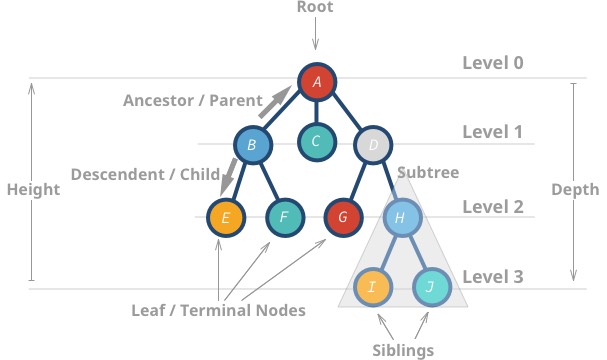
Tree data structures have many uses, and it’s good to have a basic understanding of how they work. Trees are the basis for other very used data structures like Maps and Sets. Also, they are used on databases to perform quick searches. The HTML DOM uses a tree data structure to represents the...
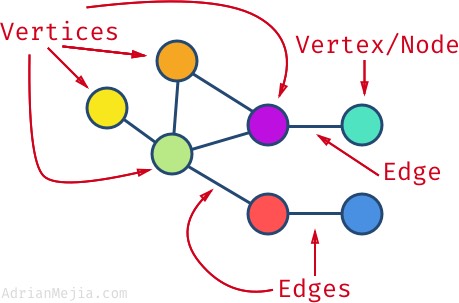
In this post, we are going to explore non-linear data structures like graphs. Also, we’ll cover the central concepts and typical applications. You are probably using programs with graphs and trees. For instance, let’s say that you want to know the shortest path between your workplace and home. You...
When we are developing software, we have to store data in memory. However, many types of data structures, such as arrays, maps, sets, lists, trees, graphs, etc., and choosing the right one for the task can be tricky. This series of posts will help you know the trade-offs so that you can use the...
Analyzing the running time of non-recursive algorithms is pretty straightforward. You count the lines of code, and if there are any loops, you multiply by the length. However, recursive algorithms are not that intuitive. They divide the input into one or more subproblems. On this post, we are...
SummaryLearn how to compare algorithms and develop code that scales! In this post, we cover 8 Big-O notations and provide an example or 2 for each. We are going to learn the top algorithm’s running time that every developer should be familiar with. Knowing these time complexities will help you to...
As a developer, you have the power to change the world! You can write programs that enable new technologies. For instance, develop software to find an earlier diagnosis of diseases. But that’s not the only way. You might do it indirectly by creating projects that make people more productive and...
.jpg)