As a scientist in the later stages of my career, the managerial and mentorship load has increased, leaving less time for math and programming. These technical activities were also why I wanted to be a scientist in the first place, and I regretted losing the time for this hands-on research....
Another aspect of Planck’s legacy bears examining. A couple of months ago, the 2018 Gruber Prize in Cosmology was awarded to the Planck Satellite. This was (I think) a well-deserved honour for all of us who have worked on Planck during the more than 20 years since its conception, for a mission...
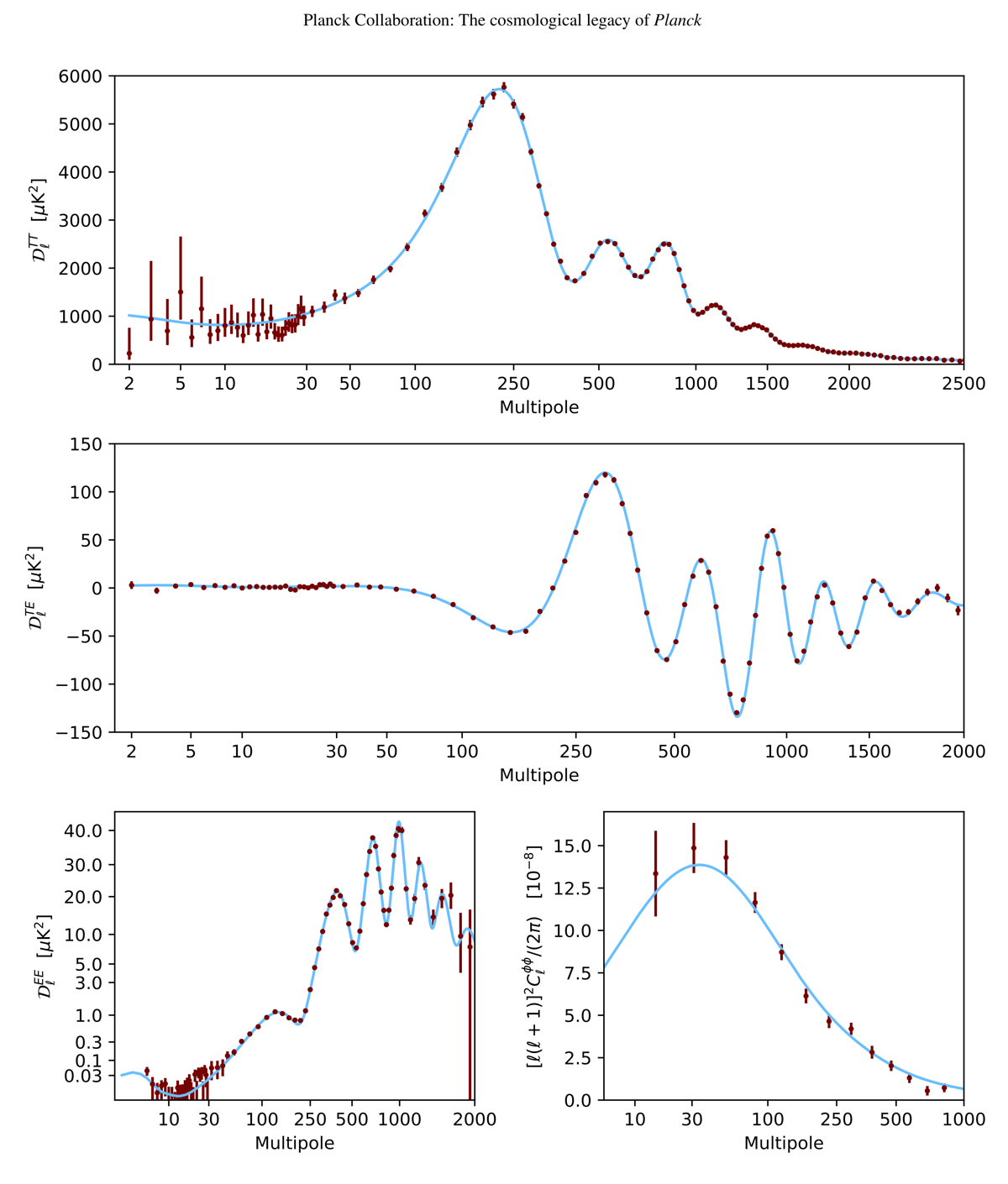
This week, we released (most of) the final set of papers from the Planck collaboration — the long-awaited Planck 2018 results (which were originally meant to be the “Planck 2016 results”, but everything takes longer than you hope…), available on the ESA website as well as the arXiv. More...
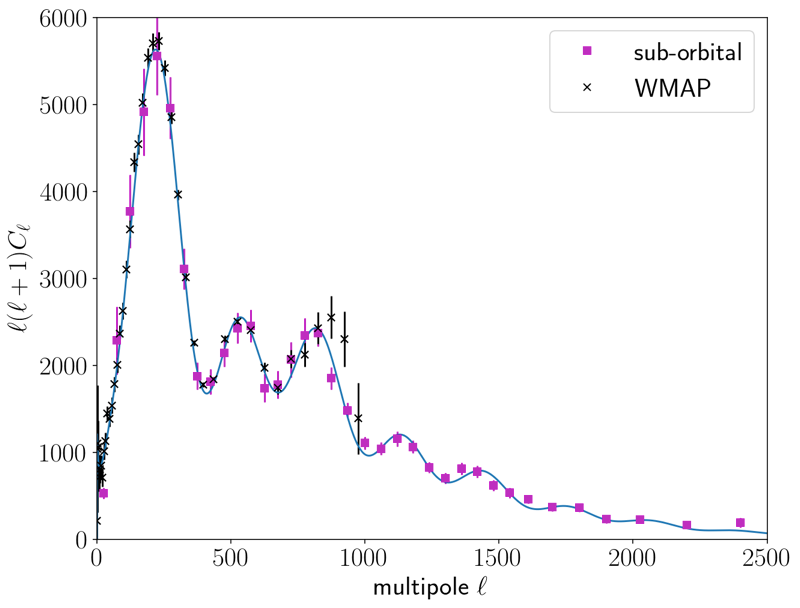
It was announced this morning that the WMAP team has won the $3 million Breakthrough Prize. Unlike the Nobel Prize, which infamously is only awarded to three people each year, the Breakthrough Prize was awarded to the whole 27-member WMAP team, led by Chuck Bennett, Gary Hinshaw, Norm Jarosik,...
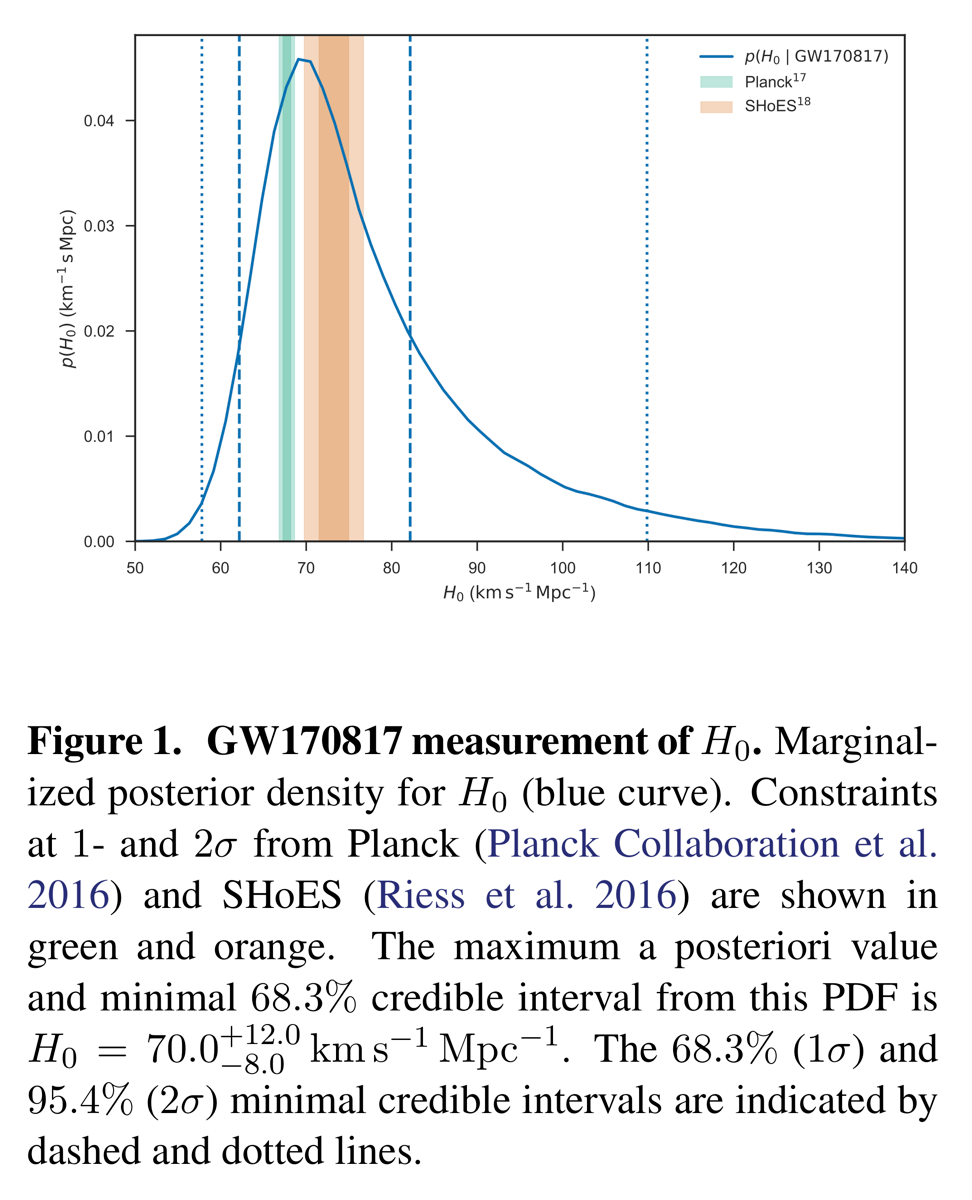
The first direct detection of gravitational waves was announced in February of 2015 by the LIGO team, after decades of planning, building and refining their beautiful experiment. Since that time, the US-based LIGO has been joined by the European Virgo gravitational wave telescope (and more are...
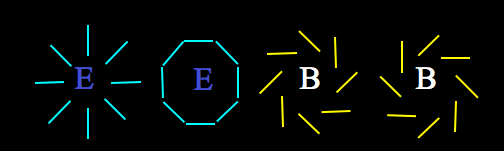
[Uh oh, this is sort of disastrously long, practically unedited, and a mixture of tutorial- and expert-level text. Good luck. Send corrections.] It’s been almost exactly a year since the release of the first Planck cosmology results (which I discussed in some depth at the time). On this auspicious...