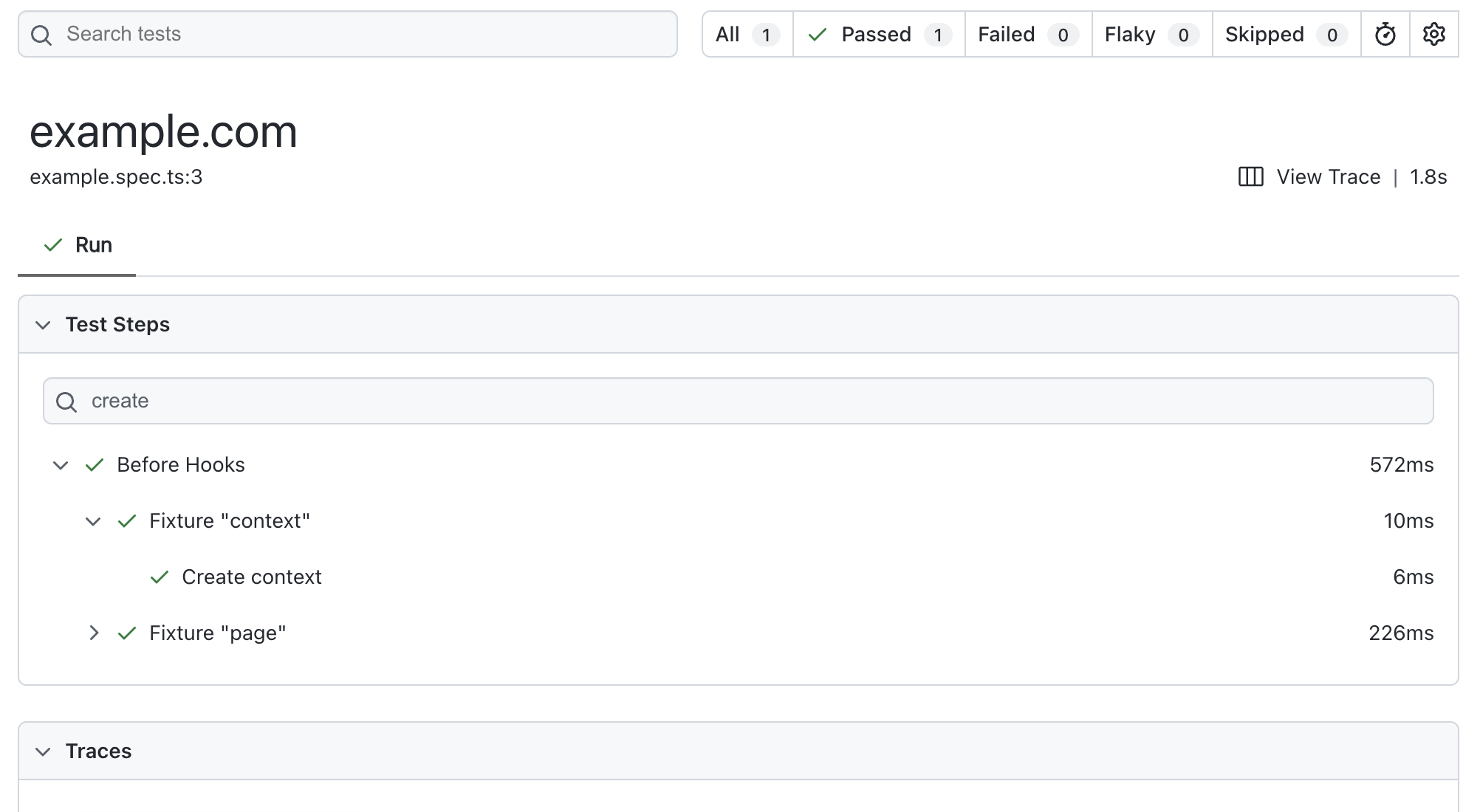
Over the past few years, I’ve been using Playwright almost every day. Over time, it stopped being “just another tool” and became a core part of how I approach web software quality. Honestly, it’s hard to find something that works better: the HTML report is clear, multi-browser support is...
Trust is one of those concepts we usually associate with people. We trust colleagues, managers, companies. But in software development, trust goes much further than that. We trust our tests. We trust our codebase. We trust the systems we build. And the interesting part is this: when trust...
A few years ago, during a particularly tense retrospective, someone said: “Wasn’t this bug supposed to be caught by QA?” The room went quiet. It wasn’t an open accusation. But in that sentence there was a clear boundary: quality had an owner. And it wasn’t “the team”. In that...
Secure Decommissioning of IoT Devices: Lessons from Recycling my home MXChip Development Board project The rise of IoT (Internet of Things) devices has revolutionized industries and personal lifestyles, making connectivity ubiquitous. However, the rapid proliferation of these devices also...
In this post, I'll present my case for using conventional comments in code reviews. I've been an advocate of conventional comments for about a year and have enjoyed using them. I'm hoping to share the benefits so others can adopt their own standards for code review. Let's dive in!
In case you've been living under a rock, Leetcode-style interviews have dominated the software industry for at least a decade now. From smaller companies all the way to the tech giants, interviews have been centered around these puzzle-type questions designed to probe a candidate's logic,...