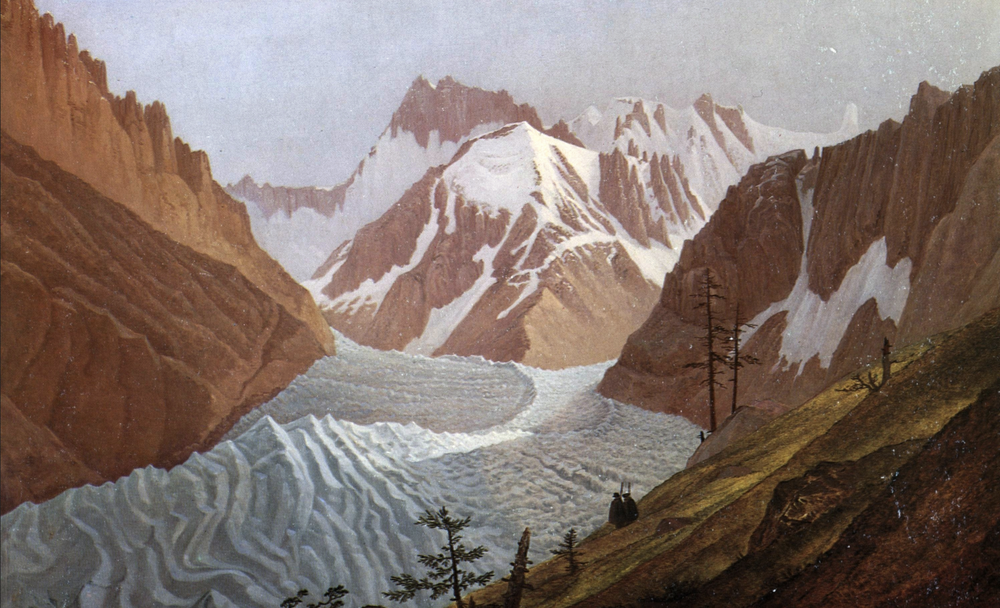
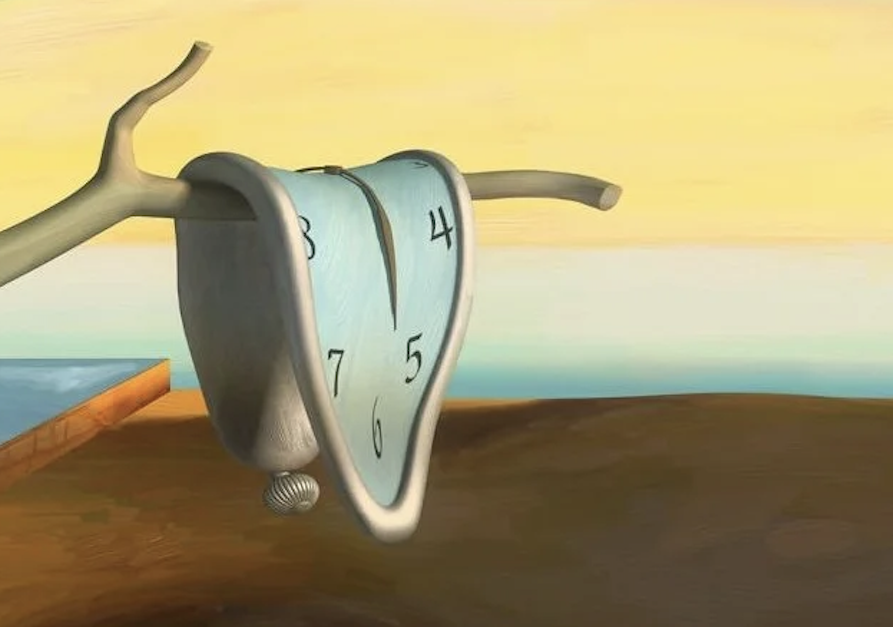
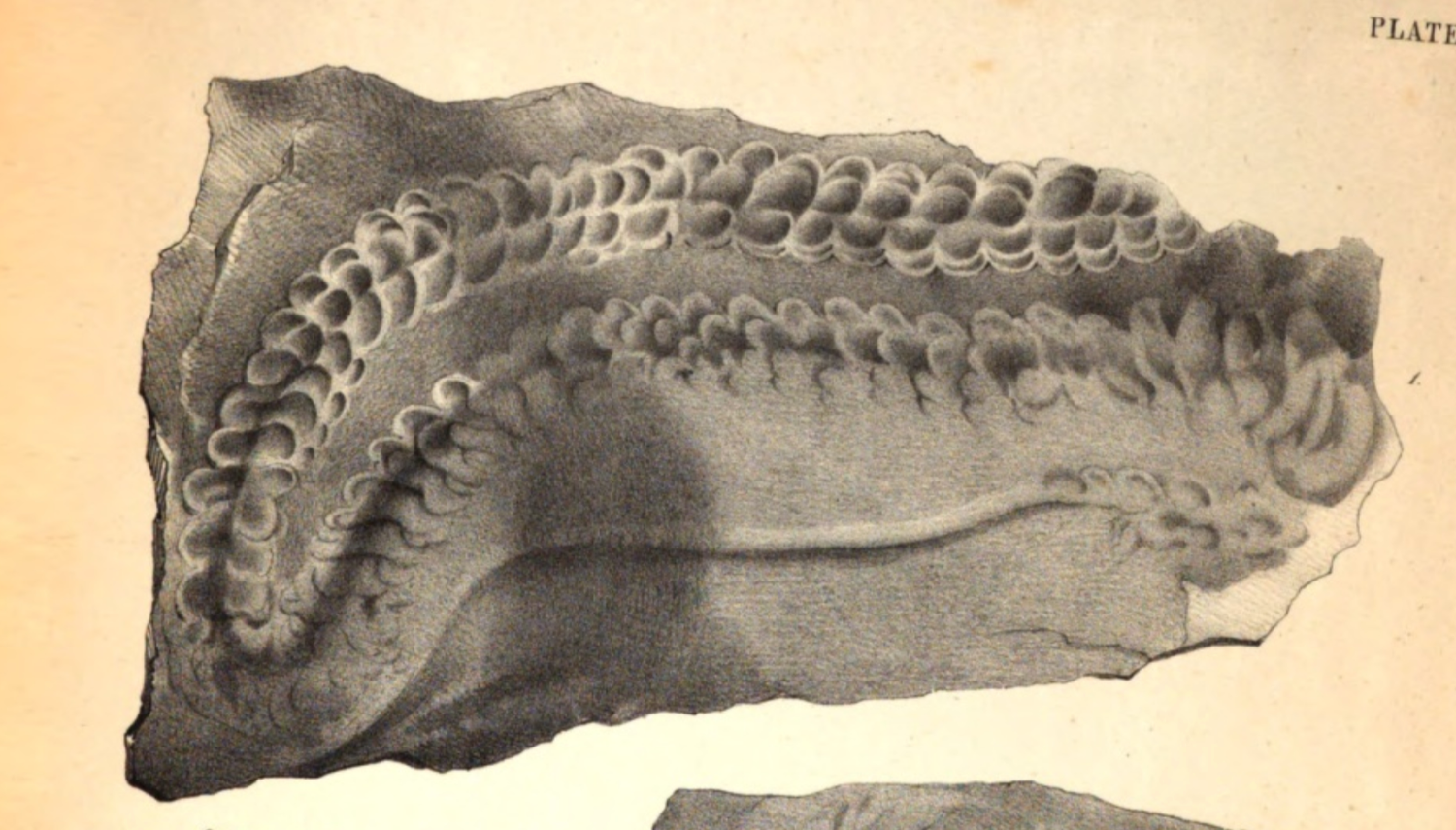
* This is the latest installment of “Problematica.” It’s the first of several posts that will feature weird bits of Cambrian history, which I turned up in the process of researching my book (tentatively titled Cambrian explosions: a history of controversy). This one is about a lost image from the...
* This week my family is moving from Minneapolis to Copenhagen. As a farewell to Minnesota, I thought I would repost this essay about a family trip to Morton. Why Morton? Well, it happens to be the home of the oldest intact surface rocks in the United States. (Or rather, the rocks that were...
* This is the second part of a two-part installment of “Problematica.” In Part 1, I asked how “uniformitarianism” became associated with a view that had not originally been regarded as distinctly uniformitarian— the view that nature’s law are stable in space and time. This meaning-shift happened...
* This is the forty-fifth installment of my essay series “Problematica.” Once again, it’s about Charles Lyell and uniformitarianism, with guest appearances from Steve Gould, T. C. Chamberlin and Eduard Suess. Because it’s a bit long, I’ve split it into two parts. Part 1 introduces the question I...
* Of all the things I’ve written for this site, this is maybe my favorite. It hits all the sweet spots: nineteenth century American geology, discarded theories of mountain building, uniformitarianism, and, of course, James Hall— one of the truly incomparable figures in the history of paleontology....
* This is a special mini-installment of “Problematica.” It’s about something we’ve discussed before on “Extinct,” believe it or not— geopoetry. (Also, this weird thing I wrote about Goethe.) Problematica is written by Max Dresow…I found something that I need to share with you. Not because it’s...
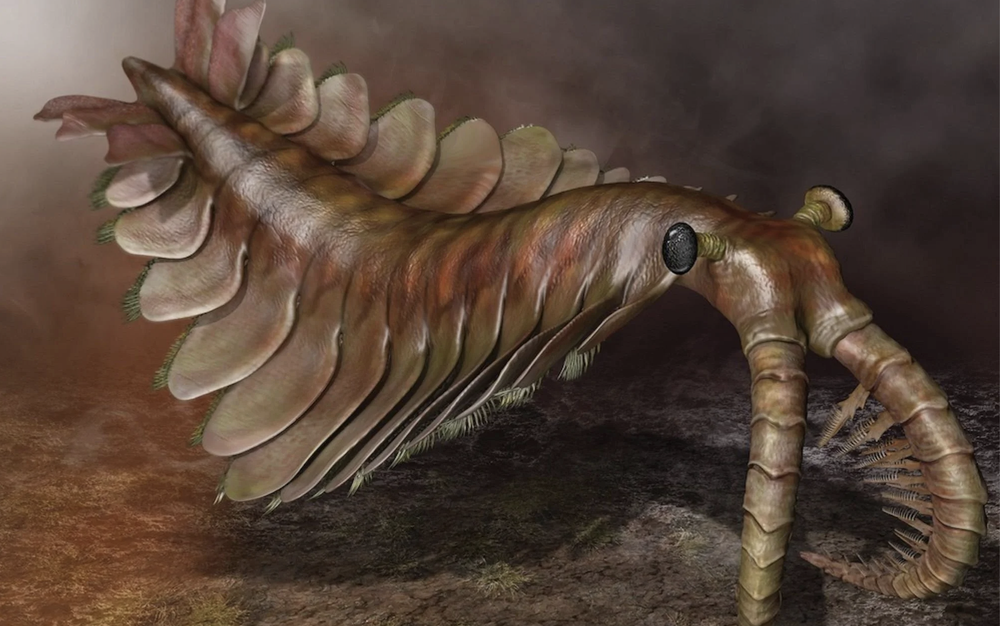
* This is the latest installment of “Problematica.” It is written by Max Dresow (cheerfully unemployed, but soon to be affiliated with the University of Copenhagen) and Katherine Valde (Loyola University)…Anomalocaris reared up, mouth open, its spiny arms outstretched to their furthest limit. It...
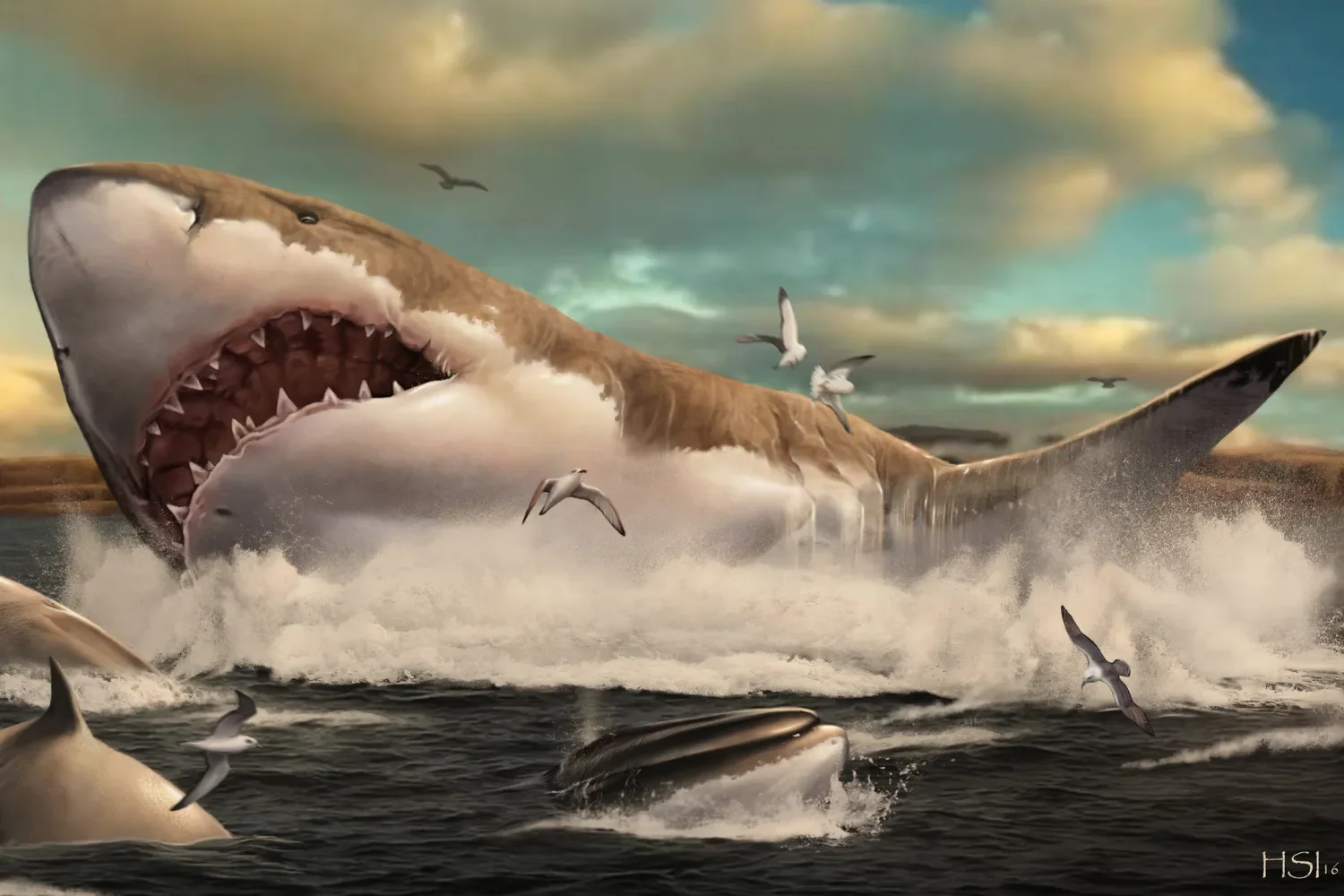
* This was the first installment of my “Problematica” series, which I wrote way back in 2023. I was reminded of it because my now four-and-a-half year-old son is obsessed with megalodons, and I thought it would be fun to repost. Also, there’s been some interesting megalodon-related research...
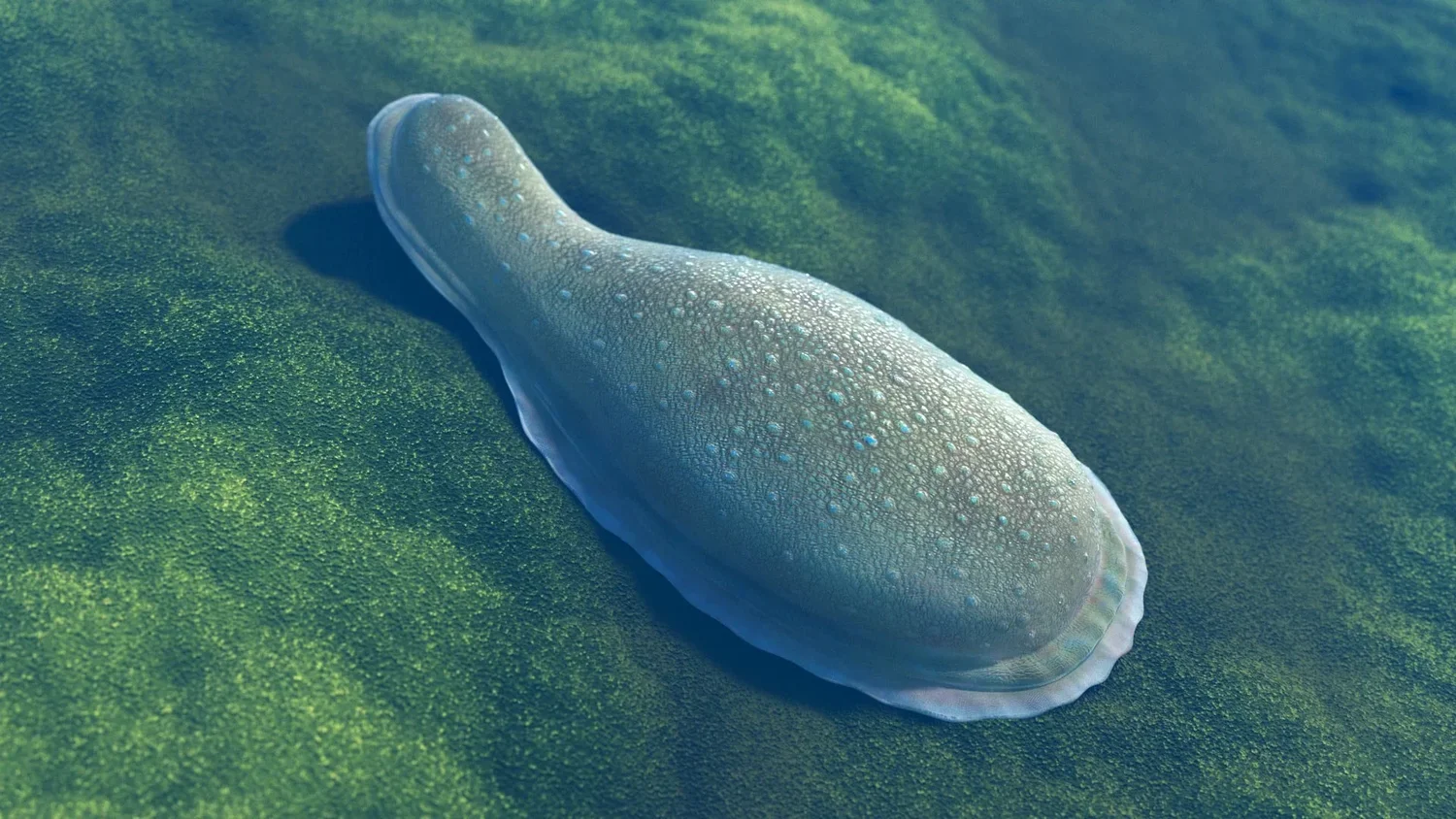
* Extinct has been quiet lately, as I work furiously to finish my book. Hopefully the pace of things will pick up a bit in the new year (so, stay tuned). “Problematica” is written by Max Dresow…Ages ago, I wrote a post on the problem of classifying the enigmatic macrofossils of the Ediacaran...
* I was just reading about a new British documentary on the Parthenon Marbles, and I thought perhaps it was time to repost this.This was the fifth installment of “Problematica,” which I wrote back in March of 2023. I’ve been meaning to revisit the central problem, which concerns the possibility of...
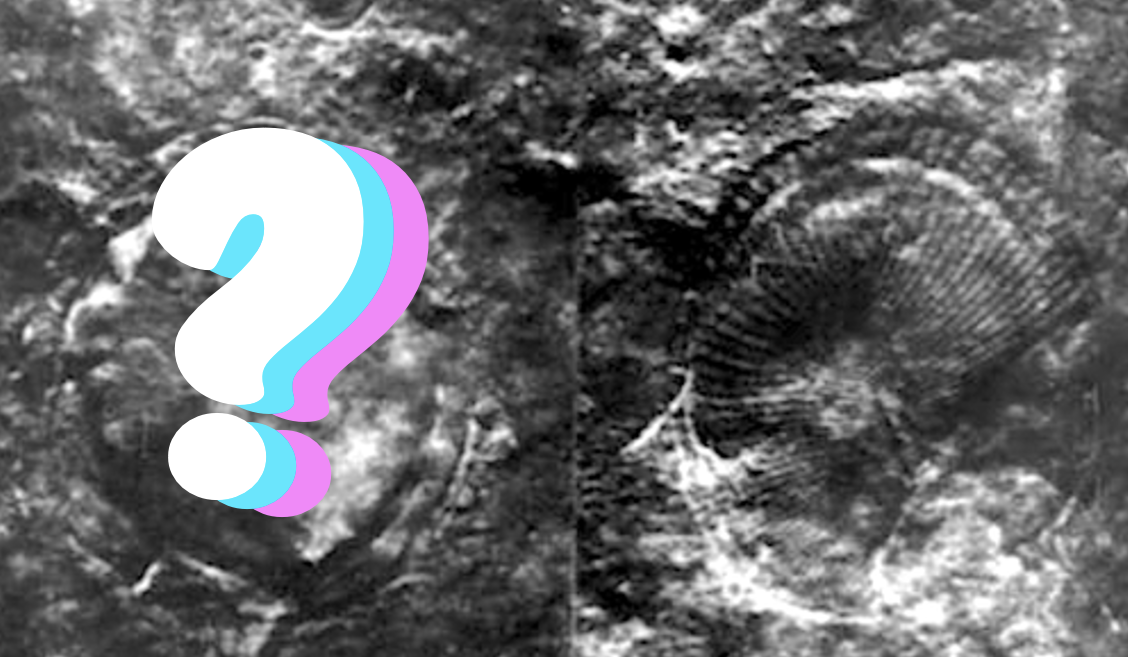
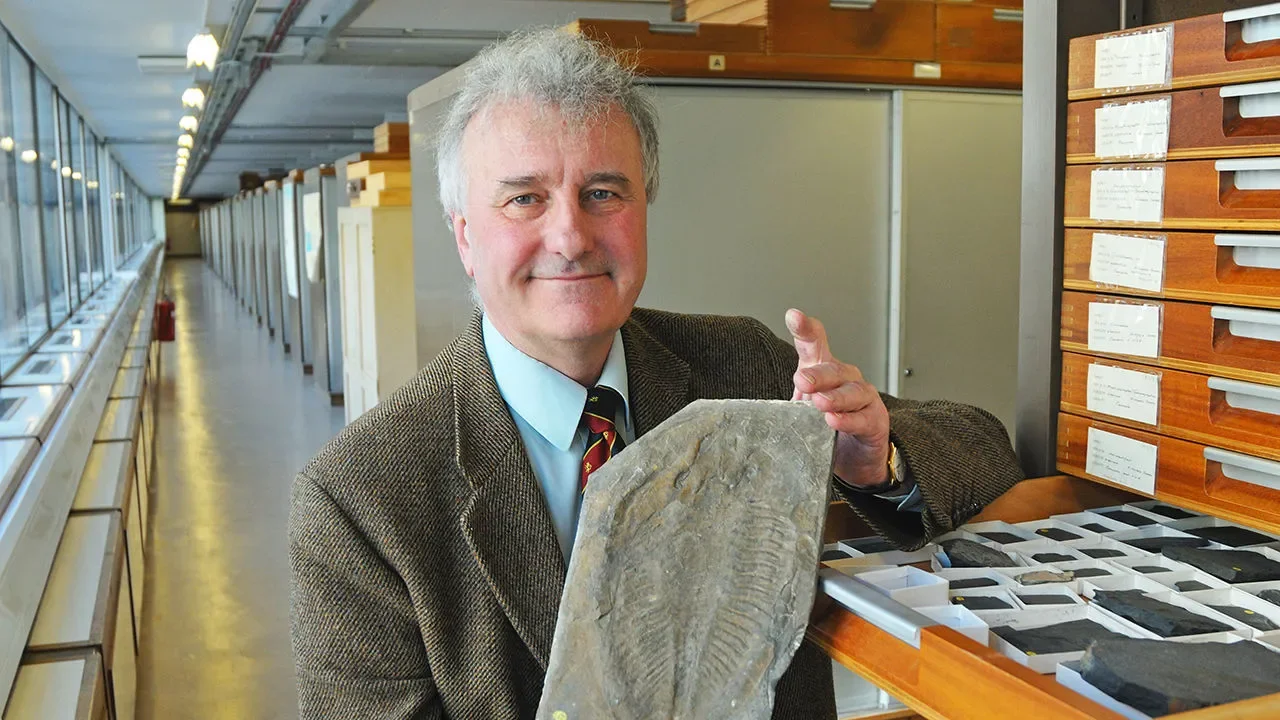
* Hold the phone— this is an emergency installment of “Problematica.” It is written by Max Dresow…Okay, someone help me out with this. Because it is genuinely weird, and I feel like I’m going insane.It is common knowledge among people interested in the discovery of the Ediacaran fauna that Reg...
* This is the fortieth installment of this little essay series, “Problematica.” I wanted to do something special to mark the occasion— writing forty of these things was no small amount of work, and like everyone else, I’m fond of even numbers. So I decided to do something I’ve been putting off,...
* A little update. Extinct has been relatively quiet this summer. The reason is two-fold. First, I (Max) failed to secure an academic appointment for the fall, which means I’ve been dealing with some feelings of professional disappointment and alienation. (Nooo. Also, whatever, it’s fine.) Second—...
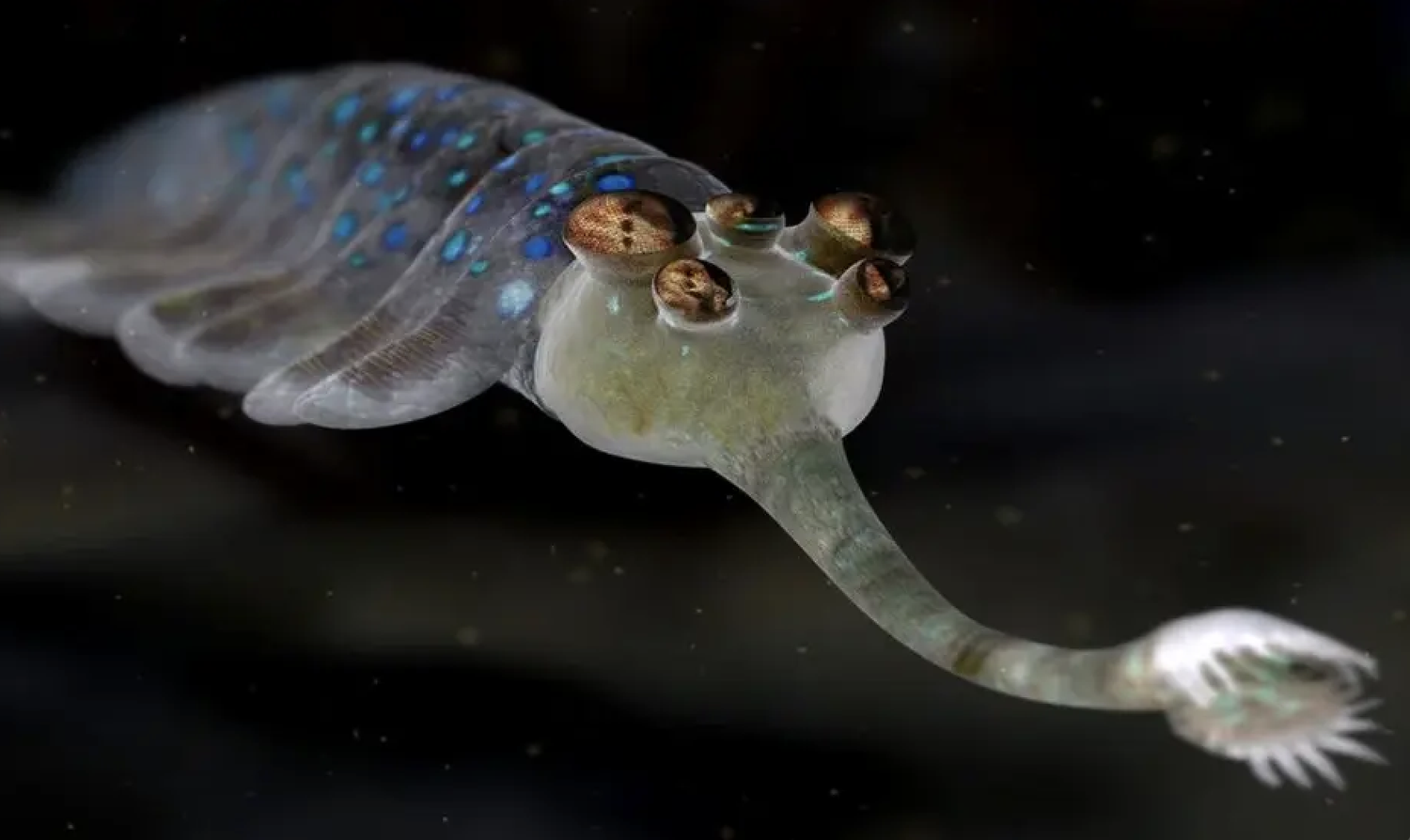
* This is Part 1 of a two-part installment of “Problematica.” It is, for once, actually about problematica! Part 1 explores the problematic fossils of the Burgess Shale, especially Opabinia regalis. (Longtime Extinct readers will recognize this critter as the thing Adrian is tickling in his...
* This is the latest installment of “Problematica.” It is, I suppose, a continuation of my three-part series on periodic diastrophism in American geology (Part 1– Part 2– Part 3). As I observed in that series, the theory of periodic diastrophism was widely credited in American geology during the...
* This is Part 3 of a three-part installment of “Problematica.” The subject is the (contested) importance of Thomas Chamberlin’s theory of periodic diastrophism during the first half of the twentieth century. So far I’ve explored the origin of the theory (Part 1) and traced its many-sided...